With over 190 Parties, the United Nations Framework Convention on Climate Change (UNFCCC) has near universal membership and is the parent treaty of the 2015 Paris Climate Change Agreement. The main aim of the Paris Agreement is to keep a global average temperature rise this century well below 2 degrees Celsius and to drive efforts to limit the temperature increase even further to 1.5 degrees Celsius above pre-industrial levels. The UNFCCC is also the parent treaty of the 1997 Kyoto Protocol. The ultimate objective of all agreements under the UNFCCC is to stabilize greenhouse gas concentrations in the atmosphere at a level that will prevent dangerous human interference with the climate system, in a time frame which allows ecosystems to adapt naturally and enables sustainable development.
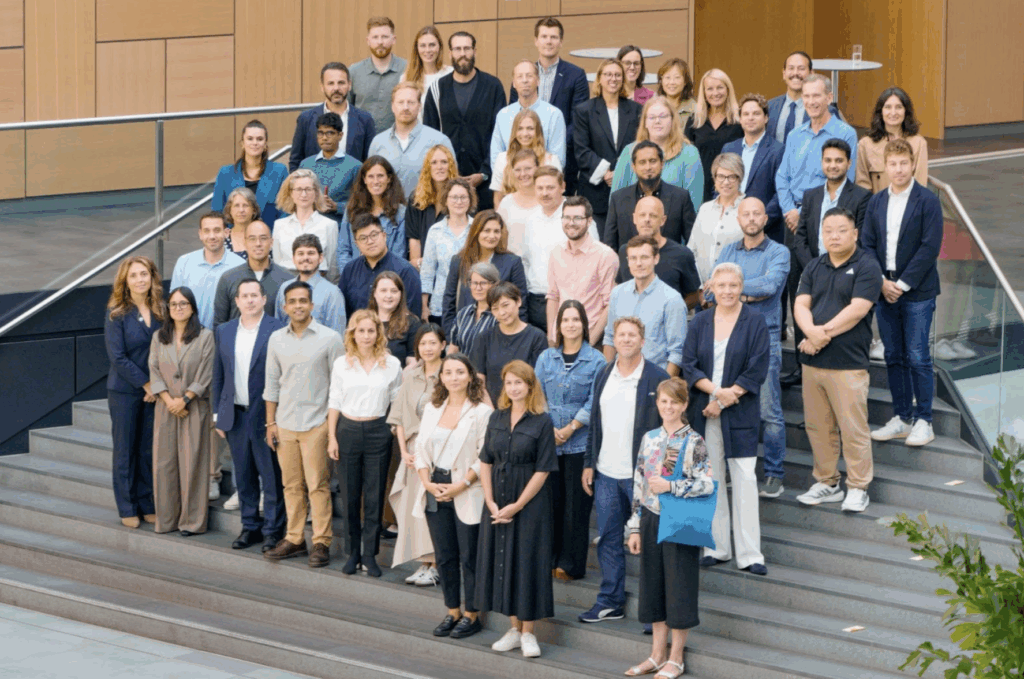
Fashion Charter participants at the 2024 Annual Meeting in Bonn, Germany.
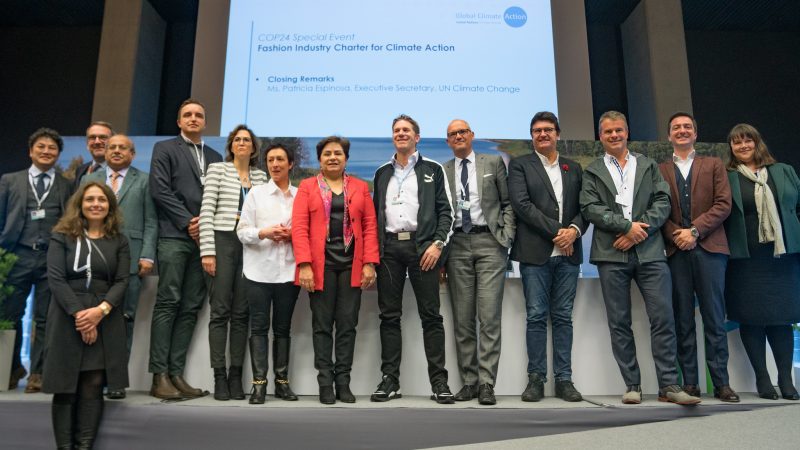
UNFCCC Executive Secretary Patricia Espinosa with founding signatories of Fashion Industry Charter during the high-level launch event at COP24.
The Fashion Industry Charter for Climate Action, launched under UN Climate Change at COP24 in 2018 and renewed at COP26 in 2021, aims to drive the textile, clothing, and fashion industry toward achieving net-zero emissions by 2050 in line with limiting global warming to 1.5°C. Initially created to unite stakeholders around a holistic climate commitment, the Charter now emphasizes collective action by fostering industry commitments, providing a safe platform for collaboration, improving disclosures, publishing guidance, partnering with associations and organizations, showcasing progress, and supporting signatories in advancing climate action while linking with existing global initiatives.
The Signatories and Supporting Organizations of the Charter work collaboratively to deliver on the principles enshrined in the Charter. This is being done through established Steering Committee and signatory led projects, which are responsible for driving the work and success of the initiative. The Steering Committee and Charter projects serve as a platform to:
– Support Signatories meet their climate targets, and,
– Help drive long-term industry transformation in line with the goals of the Paris Climate Change Agreement.
More information on the Fashion Charter can be found on the UNFCCC website.