Founded in 1972, the United Nations Environment Programme (UNEP) is the leading global environmental authority that sets the global environmental agenda, promotes the coherent implementation of the environmental dimension of sustainable development within the United Nations system, and serves as an authoritative advocate for the global environment.
UNEP aims to provide leadership and encourage partnership in caring for the environment by inspiring, informing, and enabling nations and peoples to improve their quality of life without compromising that of future generations.
UNEP works through its divisions as well as liaising between the regional offices and out-posted offices and a growing network of collaborating centres of excellence.
UNEP maintains sustainability while focusing its work on seven broad thematic areas that include:
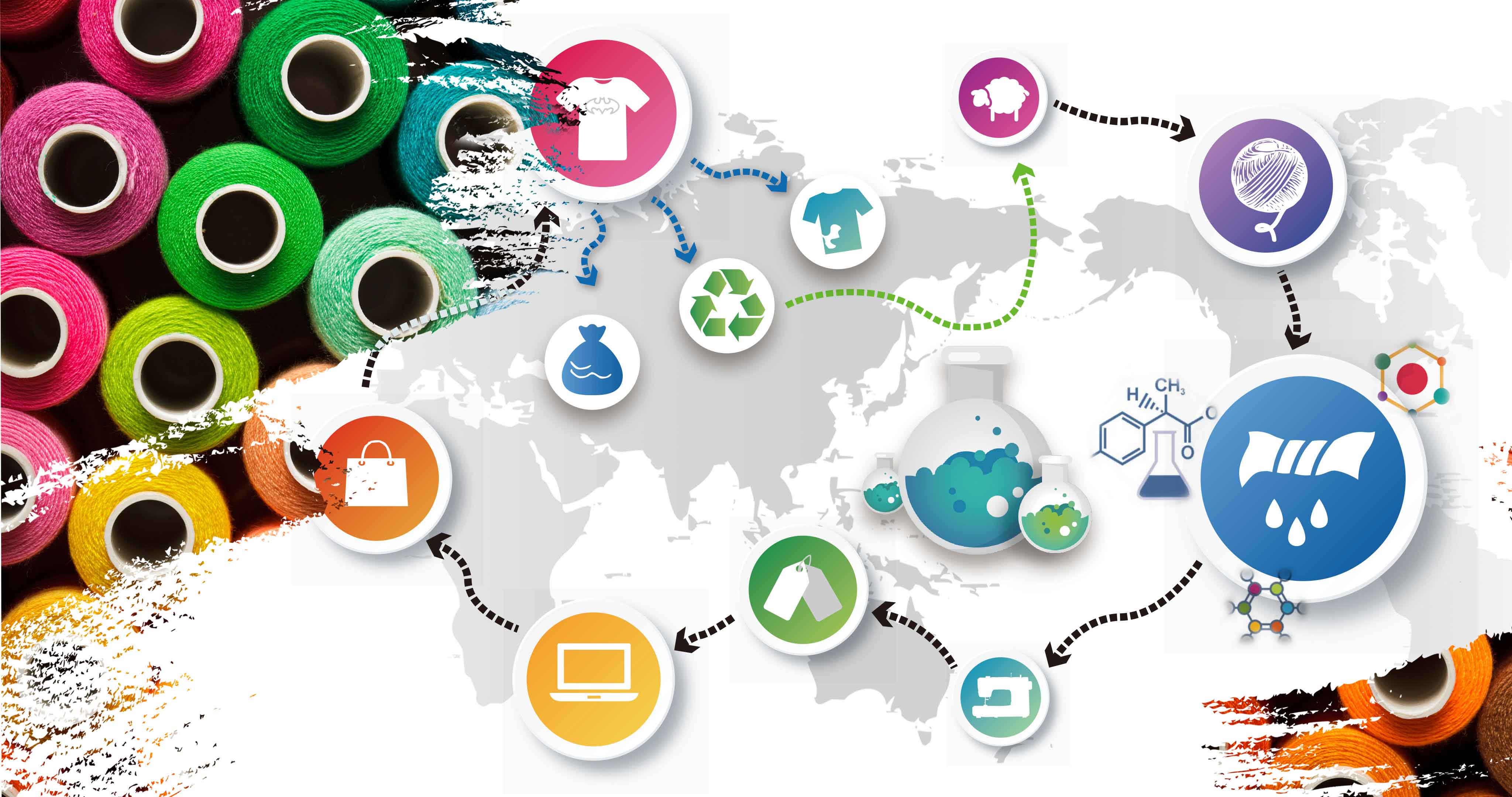
The UNEP Textile Initiative provides strategic leadership and encourages sector-wide collaboration to accelerate a just transition towards a sustainable and circular textile value chain.
UNEP’s work includes supporting and informing governments, such as through its Global Textile Policy Dialogue, assisting industry, particularly SMEs in developing countries, in shifting towards circular business models, scaling the use of industry standards for circularity, eliminating hazardous chemicals, while adopting a life cycle approach and addressing overproduction and overconsumption to redefine the fashion industry’s economic model.
Underpinning all of this is support for evidence-based decision making through its thought leadership reports.

To stay updated on UNEP’s work, you can subscribe to their monthly newsletter here.